As Advanced Driver Assistance Systems continue becoming standard across modern vehicles, collision repair shops are facing a growing challenge: how to manage ADAS calibration reporting efficiently, accurately, and profitably.
For many repair facilities, the question is no longer whether ADAS calibration documentation is necessary. That part is clear.
The real question is:
Should your shop manage calibration reporting in-house, or partner with a third-party provider?
Both approaches come with advantages, costs, operational considerations, and risks. And as repair complexity continues to increase, choosing the right workflow strategy can directly impact cycle time, profitability, compliance, and customer trust.
The good news is there is no one-size-fits-all answer. The right solution depends on your shop’s volume, resources, expertise, and long-term goals.
Why ADAS Calibration Reporting Matters So Much
Modern ADAS systems control critical safety features such as:
- Automatic emergency braking
• Lane departure warning
• Adaptive cruise control
• Blind spot monitoring
• Parking assist systems
After many common repairs, including collisions, windshield replacements, alignments, or suspension work, these systems often require recalibration to restore proper functionality.
But calibration alone is not enough.
Shops also need accurate documentation proving that OEM procedures were followed and safety systems were verified correctly.
Without proper reporting, repair facilities may face:
- Delayed insurance payments
• Failed audits
• Increased liability exposure
• Customer disputes
• OEM compliance issues
That is why calibration reporting has become one of the most important operational decisions in modern collision repair.
What Is In-House ADAS Calibration Reporting?
In-house calibration reporting means the repair facility manages the calibration process internally using its own:
- Equipment
• Software
• Technicians
• OEM research systems
• Documentation workflows
The shop maintains direct control over the calibration and reporting process from start to finish.
For some facilities, this offers greater flexibility and operational independence.
But it also comes with significant responsibilities.
Benefits of In-House Calibration Reporting
Greater Workflow Control
Managing calibrations internally gives shops direct oversight of:
- Scheduling
• Documentation
• Technician processes
• Repair timelines
This can reduce dependency on outside vendors and improve internal coordination.
Faster Internal Communication
When calibration teams work inside the same facility, communication between technicians, estimators, and managers often becomes more streamlined.
That can help reduce delays caused by back-and-forth coordination with external providers.
Potential Long-Term Cost Savings
For high-volume shops, investing in in-house equipment and reporting systems may eventually lower per-repair calibration costs over time.
Especially for facilities performing frequent ADAS repairs, internal operations can become financially attractive at scale.
Risks and Challenges of In-House Reporting
While in-house calibration offers control, it also introduces complexity.
High Equipment Costs
ADAS calibration equipment is expensive and constantly evolving.
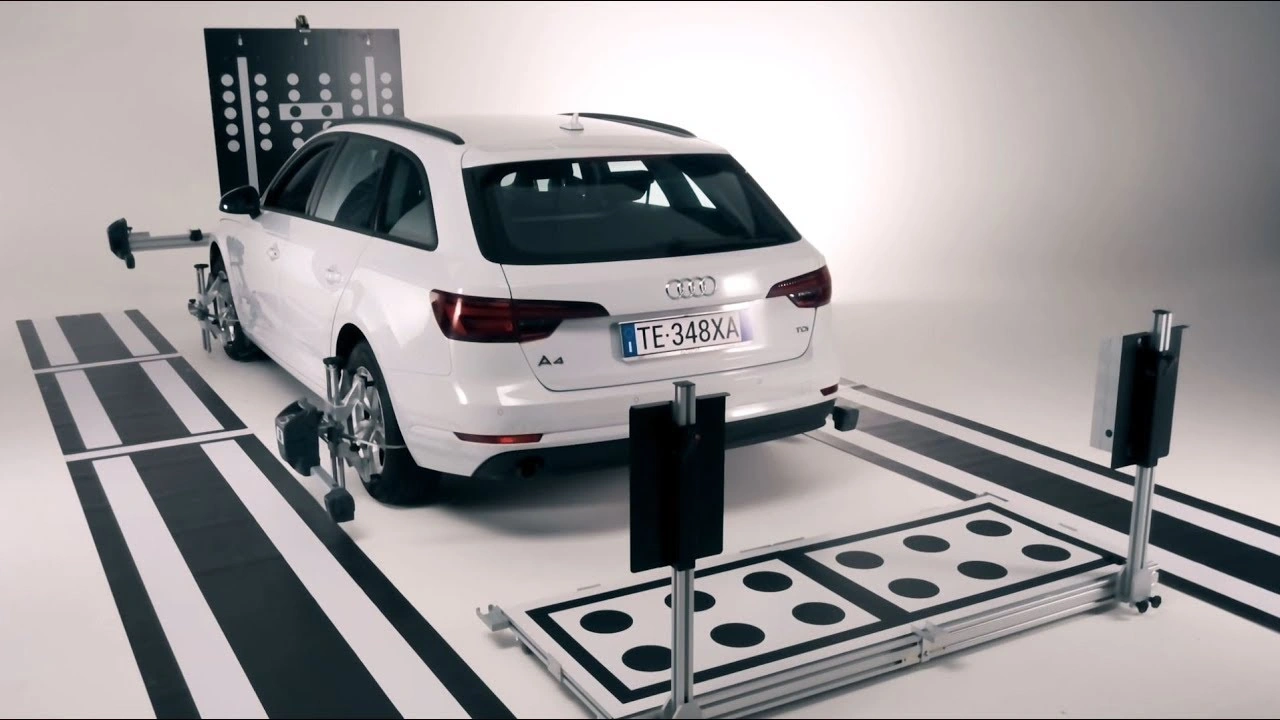
Shops may need to invest in:
- OEM scan tools
• Calibration targets
• Alignment systems
• Software subscriptions
• Facility modifications
And those investments require ongoing updates and maintenance.
Training and Staffing Requirements
ADAS systems vary significantly between manufacturers.
Technicians require continuous education to stay current with changing OEM procedures and technologies.
Without ongoing training, shops increase the risk of:
- Missed procedures
• Calibration errors
• Incomplete documentation
Increased Documentation Burden
Managing calibration reporting internally often requires substantial administrative effort.
Shops must ensure reports include:
- OEM procedures
• Scan results
• Calibration verification
• Technician documentation
• Compliance records
Manual workflows can quickly become time-consuming and inconsistent.
What Is Outsourced ADAS Calibration Reporting?
Outsourced calibration reporting involves partnering with a third-party provider that specializes in ADAS calibration workflows, documentation, or reporting support.
Depending on the provider, services may include:
- Calibration procedure identification
• Report generation
• OEM documentation support
• Workflow integration
• AI-powered reporting systems
This approach allows repair facilities to leverage outside expertise while reducing internal workload.
Benefits of Outsourced Calibration Reporting
Access to Specialized Expertise
Third-party ADAS providers focus specifically on calibration workflows and documentation.
That specialized focus helps shops stay aligned with:
- OEM requirements
• Industry standards
• Insurance expectations
• Compliance updates
Reduced Administrative Burden
Outsourcing reporting allows repair teams to spend less time on documentation management and more time on repairs.
Automated reporting systems can streamline:
- Procedure research
• Report generation
• Documentation organization
• Compliance tracking
At 1 Source ADAS, the platform is designed to generate detailed, actionable calibration reports directly from repair estimates using AI-powered tools that help improve workflow efficiency and reporting accuracy.
Lower Upfront Costs
For many small to mid-sized repair facilities, outsourcing reduces the need for major equipment and software investments.
Instead of purchasing and maintaining extensive calibration infrastructure internally, shops can leverage specialized reporting support more affordably.
Improved Documentation Consistency
Reliable third-party reporting systems often produce more standardized and audit-ready documentation.
That consistency helps reduce:
- Insurance claim delays
• Missing calibration details
• Compliance risks
• Documentation errors
Risks and Challenges of Outsourcing
Outsourcing is not without its own considerations.
Dependence on External Providers
Repair shops relying heavily on third-party providers may experience workflow disruptions if communication or turnaround times are inconsistent.
Choosing a trusted partner is critical.
Potential Scheduling Delays
Some outsourced workflows may introduce delays if calibration support is not integrated efficiently into the repair process.
That is why turnaround speed and workflow integration matter when selecting a provider.
Less Direct Operational Control
Some shops prefer maintaining complete internal oversight of their calibration process rather than depending on outside systems or vendors.
For high-volume facilities with dedicated ADAS teams, internal operations may feel more manageable long term.
The Hybrid Approach: Becoming Increasingly Common
Many repair facilities are now adopting a hybrid model that combines:
- Internal repair operations
• Outsourced reporting support
• AI-driven documentation tools
This approach allows shops to maintain repair control while leveraging specialized reporting systems that improve compliance and efficiency.
According to the 1 Source ADAS brand strategy, their workflow-driven platform is designed to integrate directly into shop operations while reducing time spent researching procedures and minimizing costly reporting errors.
That kind of integration is becoming increasingly valuable as repair complexity grows.
Key Questions Shops Should Ask Before Deciding
When evaluating in-house versus outsourced calibration reporting, repair facilities should consider:
Repair Volume
How many ADAS-related repairs does your shop complete each month?
Staffing and Expertise
Do you have trained technicians and administrative support dedicated to calibration documentation?
Equipment Investment
Can your shop justify the ongoing cost of calibration equipment, software, and updates?
Workflow Efficiency
Will outsourcing improve cycle time and reduce administrative bottlenecks?
Compliance Risk
How confident are you in your current documentation accuracy and audit readiness?
Long-Term Scalability
Will your current calibration process still work as ADAS technology continues evolving?
The answers to these questions often determine which model makes the most sense operationally and financially.
Why Accurate Reporting Matters Regardless of the Model
Whether calibration reporting is managed internally or externally, one thing remains true:
Documentation quality matters.
Accurate reporting protects repair shops by helping them:
- Meet insurance requirements
• Reduce liability exposure
• Improve audit readiness
• Strengthen customer trust
• Support safer repairs
As ADAS systems become more advanced, reliable reporting processes are becoming essential to long-term shop success.
Final Thoughts
The decision between in-house and outsourced ADAS calibration reporting is not simply about cost. It is about efficiency, accuracy, scalability, and risk management.
In-house operations offer greater control but require significant investment in equipment, training, and ongoing documentation management.
Outsourced solutions provide specialized expertise, streamlined workflows, and reduced administrative burden, especially for shops looking to improve consistency and compliance without expanding internal infrastructure.
The best solution depends on your shop’s goals, repair volume, and operational capacity.
As ADAS technology continues evolving, many repair facilities are finding that trusted reporting partners and AI-powered workflow tools help them stay competitive while improving efficiency and reducing risk.
Solutions like 1 Source ADAS are helping collision repair shops simplify calibration reporting with precise, workflow-driven tools designed specifically for modern ADAS repair environments.