In today’s collision repair industry, speed matters.
Customers want their vehicles back quickly. Insurance companies want repairs processed efficiently. Shops need steady workflow movement to maintain profitability and avoid bottlenecks.
But modern vehicle technology has changed the repair process dramatically.
Advanced Driver Assistance Systems, or ADAS, now require precise calibration procedures after many common repairs. And while these systems are critical for vehicle safety, they can also create major delays when calibration workflows are inconsistent, incomplete, or poorly managed.
That is why more collision repair facilities are turning to reliable ADAS calibration partners and streamlined reporting systems to improve repair cycle time without sacrificing accuracy or compliance.
Because faster repairs only matter if they are done correctly.
Why ADAS Calibration Impacts Repair Cycle Time?
Modern vehicles rely on interconnected cameras, radar sensors, ultrasonic systems, and onboard computers to power features like:
- Automatic emergency braking
• Adaptive cruise control
• Lane keeping assist
• Blind spot monitoring
• Parking assist systems
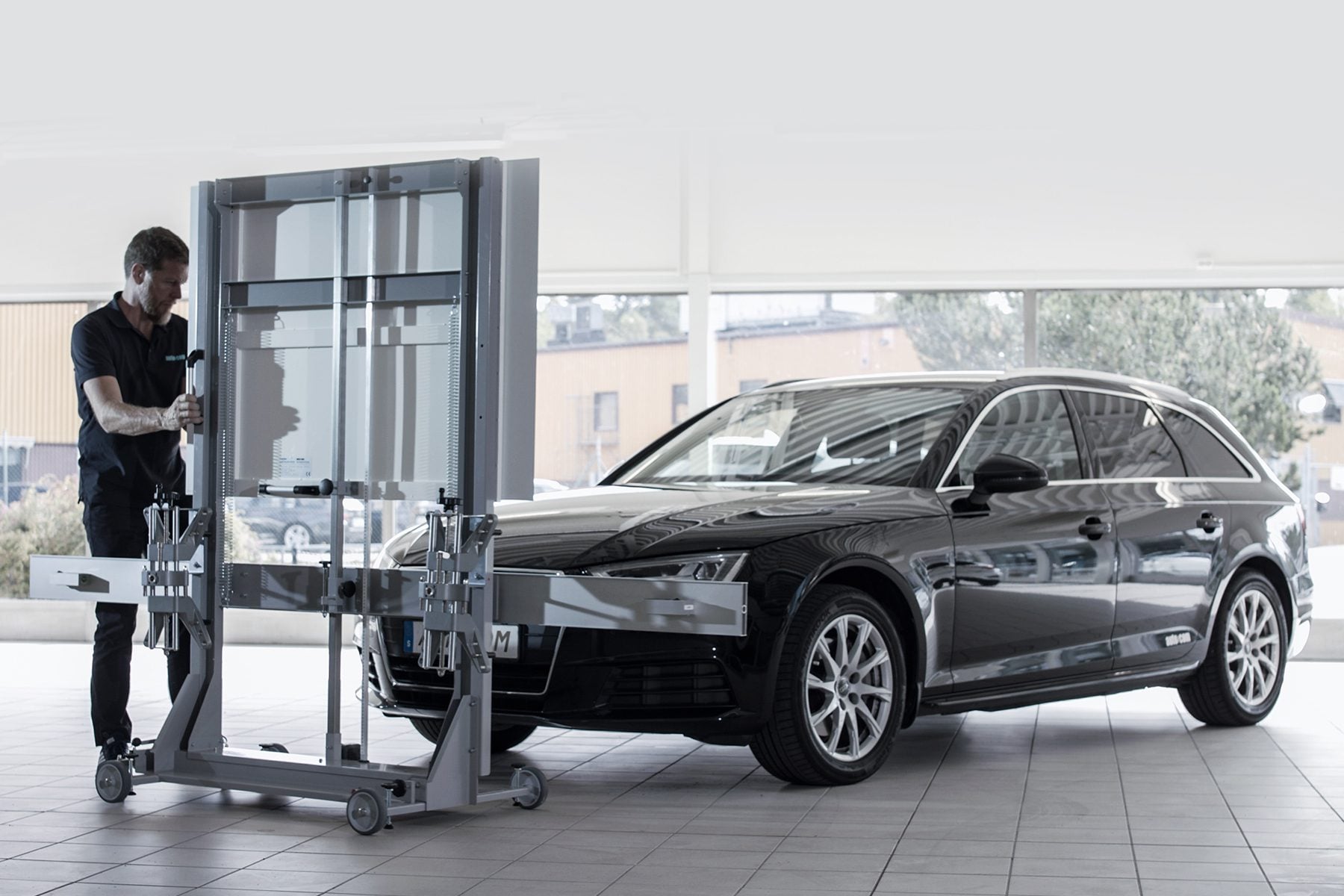
After a collision repair, windshield replacement, alignment, suspension repair, or bumper replacement, these systems often require recalibration to restore proper functionality.
The challenge is that calibration procedures are complex, vehicle-specific, and constantly evolving.
When shops do not have efficient calibration workflows in place, repairs can stall quickly.
Common causes of delays include:
- Searching manually for OEM procedures
• Waiting on incomplete documentation
• Missed calibration requirements
• Rework from failed calibrations
• Supplemental insurance requests
• Scheduling delays with outside vendors
The good news is that reliable calibration processes can eliminate many of these slowdowns.
The Hidden Cost of Calibration Delays
Cycle time delays affect more than just vehicle delivery dates.
When repairs sit waiting for calibration clarification or documentation, shops may experience:
- Reduced technician productivity
• Slower vehicle throughput
• Increased rental car costs
• Frustrated customers
• Delayed insurance payments
• Backlogged repair schedules
Even small delays add up over time.
And as ADAS systems become standard on more vehicles, calibration-related slowdowns are becoming one of the biggest operational challenges for collision repair facilities.
How Reliable ADAS Calibration Partners Improve Efficiency?
A trusted ADAS calibration partner helps remove friction from the repair process by delivering accurate procedures, timely documentation, and dependable workflow support.
Instead of scrambling to research requirements manually, repair teams can move forward with greater confidence and consistency.
At 1 Source ADAS, the goal is to simplify calibration reporting through AI-powered tools that generate precise, actionable reports directly from repair estimates.
That kind of workflow support helps repair shops reduce delays while improving documentation accuracy.
Faster Access to OEM Procedures
One of the biggest causes of cycle time disruption is waiting on calibration research.
Technicians and estimators often spend valuable time searching across multiple OEM systems to determine:
- Which systems require calibration
• Whether static or dynamic calibration is needed
• What equipment is required
• Which procedures apply to the specific vehicle
Reliable calibration reporting platforms streamline this process by automatically identifying required procedures directly from the repair estimate.
That means less research time and faster repair planning.
According to the 1 Source ADAS brand mission, their platform helps collision repair shops save time by automatically pulling the latest procedures directly from repair estimates, reducing workflow interruptions and improving efficiency.
Reducing Rework and Missed Procedures
Missed calibrations are expensive.
If a required procedure is overlooked, the vehicle may need to return for additional repairs, recalibration, or insurer review. That creates unnecessary delays and increases operational costs.
Reliable calibration workflows help shops:
- Catch required procedures earlier
• Reduce missed calibrations
• Improve repair consistency
• Minimize costly rework
Accurate reporting helps technicians stay aligned with OEM standards from the beginning of the repair process.
Streamlining Insurance Approvals
Insurance carriers increasingly expect detailed calibration documentation before approving claims or supplements.
Incomplete reports often trigger:
- Supplemental requests
• Additional insurer reviews
• Documentation clarification delays
Comprehensive calibration reporting speeds up approvals by giving insurers the information they need upfront.
That includes:
- OEM procedure documentation
• Calibration verification
• Pre-scan and post-scan results
• Technician records
• Final system validation
Cleaner documentation means fewer interruptions and faster claims processing.
Improving Communication Between Teams
ADAS repairs involve multiple moving parts.
Estimators, technicians, calibration specialists, insurers, and customers all rely on accurate information throughout the repair process.
When documentation is inconsistent or delayed, communication breakdowns happen quickly.
Reliable reporting systems improve visibility by keeping calibration information centralized and accessible.
This helps teams:
- Coordinate repairs more efficiently
• Reduce confusion
• Improve scheduling
• Prevent workflow bottlenecks
The result is a smoother repair experience from intake to delivery.
Supporting Better Scheduling and Workflow Planning
Calibration scheduling can become a major bottleneck when shops rely on inconsistent vendors or unclear reporting timelines.
Reliable calibration partners help shops better predict:
- Repair completion timelines
• Calibration scheduling needs
• Documentation turnaround
• Vehicle delivery dates
That level of consistency improves overall workflow planning and keeps vehicles moving through the shop more efficiently.
Increasing Customer Satisfaction
Customers may not fully understand ADAS calibration, but they absolutely notice repair delays.
Longer cycle times often lead to:
- Increased frustration
• Reduced trust
• Negative reviews
• More customer service issues
Faster, more organized repair workflows improve the customer experience by creating:
- Better communication
• More accurate delivery expectations
• Fewer unexpected delays
When shops deliver vehicles efficiently and professionally, customer confidence grows.
Why AI-Powered Reporting Is Becoming Essential
As vehicle technology becomes more advanced, manual calibration management becomes harder to sustain.
AI-powered reporting systems help collision repair facilities:
- Reduce research time
• Improve report accuracy
• Minimize human error
• Streamline documentation
• Improve compliance readiness
• Speed up repair workflows
According to the 1 Source ADAS brand voice, the company focuses on delivering practical, workflow-driven solutions that help collision repair professionals “save time and get the job done right.”
That combination of speed and accuracy is becoming increasingly important in today’s repair environment.
The Shops That Improve Cycle Time Will Win Long-Term
The collision repair industry is becoming more competitive and more technology-driven every year.
Shops that struggle with inefficient ADAS workflows may find themselves facing:
- Longer repair backlogs
• Slower insurer approvals
• Increased operational costs
• Lower customer satisfaction
Meanwhile, shops with streamlined calibration reporting systems can move vehicles through the repair process more confidently and efficiently.
Reliable calibration support is no longer just a convenience. It is becoming a competitive advantage.
Final Thoughts
ADAS calibration has become a critical part of modern vehicle repair, but it does not have to slow your operation down.
When collision repair shops partner with reliable calibration reporting providers, they can reduce delays, improve workflow consistency, minimize rework, and accelerate insurance approvals.
The result is faster repair cycle times, stronger compliance, better customer experiences, and improved operational performance.
Solutions like 1 Source ADAS are helping collision repair facilities simplify calibration reporting with AI-powered tools designed to support efficient, accurate, and workflow-driven repair processes.