As Advanced Driver Assistance Systems continue to become standard in modern vehicles, collision repair shops are facing a new level of responsibility. Completing the repair itself is only part of the job. Properly documenting every calibration procedure is now essential for safety, liability protection, insurer approval, and regulatory compliance.
The challenge is that many repair facilities are still relying on incomplete documentation, inconsistent reporting, or manual processes that leave room for costly mistakes.
And in today’s repair environment, missing information on an ADAS calibration report can create serious problems.
From rejected insurance claims to legal exposure after an accident, inaccurate or incomplete reporting puts shops at risk.
The good news is that compliant ADAS reporting does not have to be overwhelming. Once you understand the key elements insurers, OEMs, and auditors expect to see, your shop can build a more reliable and defensible calibration process.
Why Compliant ADAS Reporting Matters?
ADAS systems directly affect vehicle safety features such as:
- Automatic emergency braking
• Lane departure warning
• Blind spot monitoring
• Adaptive cruise control
• Collision avoidance systems
When these systems are recalibrated after a repair, every step must be documented clearly and accurately.
A compliant calibration report helps:
- Verify that OEM procedures were followed
• Support insurance reimbursement
• Reduce liability exposure
• Create an auditable repair record
• Protect customer safety
• Demonstrate repair quality and professionalism
At 1 Source ADAS, the focus is helping collision repair shops simplify this process with AI-powered reporting tools that generate detailed, actionable reports directly from repair estimates.
What Makes an ADAS Calibration Report Compliant?
A compliant ADAS calibration report should create a complete repair story. Anyone reviewing the documentation later, whether an insurer, OEM representative, regulator, or attorney, should be able to clearly understand:
- What procedures were required
• Why calibration was necessary
• Which systems were calibrated
• How the calibration was performed
• Whether the vehicle met OEM specifications afterward
Let’s break down the essential elements every compliant report should include.
-
Vehicle Identification Information
Every report should begin with complete vehicle details to ensure the calibration record is tied to the correct vehicle.
Required information typically includes:
- Year, make, and model
• Vehicle Identification Number (VIN)
• Mileage
• License plate number if applicable
• Repair order or claim number
This information creates traceability and helps insurers and auditors connect the report to the repair file.
-
OEM Calibration Procedures
One of the most important parts of a compliant report is proof that OEM procedures were followed.
The report should clearly identify:
- Manufacturer calibration requirements
• Specific ADAS systems requiring calibration
• OEM procedure references
• Direct links or documentation sources
• Static or dynamic calibration requirements
Missing OEM documentation is one of the biggest reasons reports are challenged during audits or claim reviews.
1 Source ADAS helps reduce this issue by automatically pulling required procedures directly from repair estimates and generating detailed reports with linked calibration information.
-
Pre-Scan and Post-Scan Results
Diagnostic scans are critical to documenting vehicle condition before and after repairs.
A compliant report should include:
Pre-Repair Scan Data
This identifies existing diagnostic trouble codes (DTCs), damaged systems, and vehicle conditions before calibration work begins.
Post-Repair Scan Data
This verifies that systems are functioning correctly after calibration and confirms that no unresolved ADAS-related faults remain.
Insurers and OEMs increasingly expect both scans to be included in the final repair documentation package.
-
Calibration Type Performed
The report should specify exactly what type of calibration was completed.
This may include:
- Static calibration
• Dynamic calibration
• Combined static and dynamic calibration
• Radar alignment
• Camera aiming
• Sensor initialization
Detailed reporting helps validate that the proper process was followed based on OEM requirements.
-
Calibration Environment and Conditions
Many ADAS systems require highly controlled conditions for successful calibration.
Proper documentation may include:
- Floor level verification
• Lighting conditions
• Alignment specifications
• Tire pressure confirmation
• Vehicle ride height measurements
• Fuel level requirements
• Environmental setup details
These details help prove that calibration conditions met manufacturer standards.
-
Equipment and Software Used
A compliant report should identify the tools and systems used during calibration.
This may include:
- Calibration equipment brand and model
• Scan tool information
• Software version numbers
• Target systems used
• Alignment systems
Documenting equipment helps establish that approved and properly maintained tools were used during the process.
-
Technician Information
Insurers and regulators increasingly want accountability tied to the technician performing the work.
Reports should include:
- Technician name
• Certification credentials
• Date and time of calibration
• Repair facility information
This strengthens the audit trail and supports repair credibility.
-
Calibration Results and Final Verification
A compliant report should clearly state whether the calibration was completed successfully.
This section may include:
- Pass/fail results
• Successful completion confirmation
• Final system status
• Remaining diagnostic codes if applicable
• Road test confirmation
The goal is to demonstrate that the vehicle’s ADAS systems are functioning according to OEM specifications before delivery.
-
Supporting Images and Documentation
Visual documentation is becoming increasingly valuable for audits and liability protection.
Some shops include:
- Calibration setup photos
• Target placement images
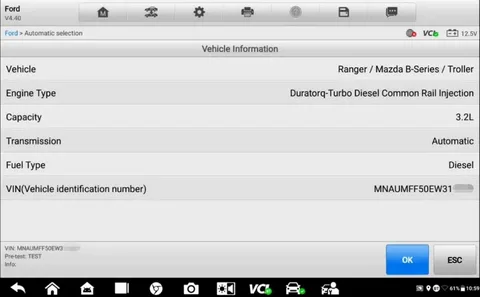
• Scan screenshots
• Alignment measurements
• Repair area documentation
Supporting visuals help validate that proper procedures were completed correctly.
Why Incomplete Reports Create Risk?
Many collision repair shops underestimate how important documentation has become.
An incomplete report can lead to:
- Delayed insurance payments
• Rejected claims
• Failed OEM compliance reviews
• Increased legal exposure
• Customer disputes
• Reduced repair credibility
In severe cases, missing calibration documentation can become a major issue if a future accident raises questions about vehicle safety system performance.
That is why more repair facilities are prioritizing accurate, standardized reporting systems.
How AI-Powered Reporting Improves Compliance?
As ADAS technology grows more complex, manually managing calibration documentation becomes increasingly difficult.
Modern reporting platforms help shops:
- Reduce missed procedures
• Improve documentation consistency
• Speed up repair workflows
• Maintain OEM compliance
• Create cleaner audit trails
• Minimize human error
According to the 1 Source ADAS brand mission, their platform is designed to generate “precise, actionable reports directly from repair estimates,” helping shops improve both efficiency and repair accuracy.
Their workflow-driven approach supports collision repair professionals who need fast, reliable access to calibration requirements while maintaining compliance standards.
Final Thoughts
ADAS calibration reporting is no longer just paperwork. It is a critical part of safe, compliant vehicle repair.
As insurers, OEMs, and regulators continue raising expectations around documentation, repair shops need systems that help them stay accurate, efficient, and audit-ready.
A compliant ADAS calibration report should provide a complete, traceable record of the calibration process, from OEM procedures and scan results to technician verification and final system validation.
The shops that prioritize proper reporting today will be better positioned to protect their customers, reduce liability, strengthen insurer relationships, and build long-term trust in an increasingly technology-driven repair industry.
Solutions like 1 Source ADAS are helping collision repair facilities simplify that process with AI-powered reporting tools designed specifically for modern ADAS workflows.