As Advanced Driver Assistance Systems continue transforming the collision repair industry, repair shops are relying more heavily on calibration partners and reporting providers to help manage increasingly complex workflows.
But while accuracy, technology, and compliance often get most of the attention, there is another factor that can dramatically impact repair efficiency and customer satisfaction:
Customer support.
Because in the real world of collision repair, questions happen constantly.
A report may need clarification. An insurer may request additional documentation. A technician may need help understanding an OEM procedure. A customer may request calibration proof after vehicle delivery.
And when support is slow, unresponsive, or difficult to reach, even small issues can quickly turn into workflow disruptions.
That is why responsive customer support has become one of the most valuable parts of a successful ADAS calibration partnership.
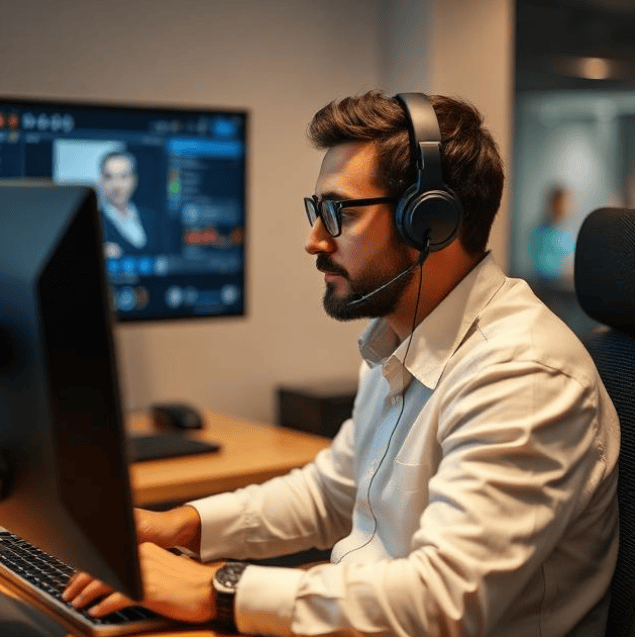
The right support team does more than answer questions. It helps repair facilities reduce delays, improve communication, strengthen compliance, and maintain customer confidence throughout the repair process.
Why Support Matters More in ADAS Repairs?
ADAS systems directly affect critical vehicle safety functions such as:
- Automatic emergency braking
• Lane departure warning
• Adaptive cruise control
• Blind spot monitoring
• Collision avoidance systems
Because these technologies rely on precise calibration and documentation, repair facilities often face situations where immediate answers are needed.
Questions may involve:
- OEM procedure clarification
• Calibration verification
• Missing documentation
• Insurance requests
• Scan report interpretation
• Supplemental claim support
When repair teams cannot get timely assistance, repairs slow down quickly.
That impacts everyone involved, including technicians, insurers, and customers.
The Hidden Cost of Poor Support
Many shops evaluate calibration partners primarily on pricing or turnaround speed. But weak customer support can quietly create operational problems that become expensive over time.
Poor support often leads to:
- Repair delays
• Increased administrative workload
• Frustrated technicians
• Slower insurance approvals
• Customer communication issues
• Workflow bottlenecks
Even highly accurate reports lose value if shops cannot get help when they need it.
Why Fast Response Times Matter?
Collision repair is a fast-moving environment.
When a technician or estimator is waiting on clarification about a calibration report, the vehicle often cannot move forward in the repair process until the issue is resolved.
Responsive support helps shops:
- Avoid downtime
• Keep vehicles moving through production
• Reduce cycle time delays
• Improve insurer communication
Fast support is not just a convenience. It directly impacts shop efficiency and profitability.
Support During Insurance Reviews and Supplements
Insurance companies are increasingly reviewing ADAS calibration reports carefully before approving claims or supplements.
That often creates situations where repair facilities need additional documentation quickly.
Examples include:
- OEM procedure verification
• Scan report clarification
• Calibration confirmation
• Supporting documentation requests
Without responsive support, these requests can delay approvals and extend repair timelines unnecessarily.
Strong calibration partners help shops respond quickly and professionally to insurer questions.
Helping Shops Navigate OEM Complexity
OEM calibration procedures are constantly evolving.
Different manufacturers have different:
- Calibration requirements
• Diagnostic expectations
• Reporting standards
• Environmental setup procedures
Many repair teams need guidance interpreting those procedures correctly, especially as new vehicle technologies continue entering the market.
A knowledgeable support team helps shops stay aligned with changing OEM expectations while reducing confusion and reporting mistakes.
Why Documentation Accessibility Matters?
Post-service support often becomes just as important as support during the repair itself.
Shops may need access to calibration records weeks or months later for:
- Customer questions
• Insurance audits
• Legal documentation requests
• OEM compliance reviews
Reliable calibration partners should make documentation easy to retrieve and organize.
When reports are difficult to access or support is unavailable, administrative frustration increases quickly.
At 1 Source ADAS, the company focuses on helping collision repair facilities simplify calibration reporting with workflow-driven systems designed to improve efficiency, accuracy, and operational support.
That type of accessibility becomes increasingly valuable as documentation demands continue growing.
Strong Support Improves Customer Confidence
Customers may not fully understand ADAS calibration technology, but they absolutely notice when repair shops communicate clearly and confidently.
When repair teams can quickly answer questions about:
- Calibration procedures
• Safety verification
• Report documentation
• OEM compliance
customers feel more confident about the repair process.
Strong support behind the scenes helps repair facilities maintain professionalism and transparency with vehicle owners.
Training and Educational Support Matter Too
The best ADAS calibration partnerships go beyond report delivery.
They also help educate repair teams on:
- Proper documentation procedures
• OEM updates
• Compliance expectations
• Workflow improvements
• Reporting best practices
Ongoing education helps shops improve consistency and reduce operational mistakes over time.
According to the 1 Source ADAS brand strategy, the company focuses on practical, workflow-driven solutions that help collision repair professionals improve efficiency and reduce costly reporting errors.
That type of support becomes especially important as ADAS technology continues evolving rapidly.
What Shops Should Look for in a Support Team?
When evaluating ADAS calibration partners, repair facilities should consider support quality just as carefully as reporting quality.
Important questions include:
Is Support Easily Accessible?
Can shops quickly reach a knowledgeable representative when issues arise?
Are Response Times Fast?
Delays in communication often become delays in repairs.
Does the Team Understand Collision Repair Workflows?
Support teams should understand the real operational pressures repair shops face daily.
Can They Help with Insurance Documentation Requests?
Strong partners help shops respond to insurer questions efficiently.
Is Ongoing Training Available?
Educational support helps shops stay current with changing ADAS requirements.
The Connection Between Support and Shop Reputation
Strong customer support does more than solve problems. It helps protect the repair shop’s reputation.
When shops can quickly resolve questions and provide accurate documentation, they strengthen:
- Customer trust
• Insurer confidence
• Workflow consistency
• Operational credibility
Meanwhile, poor support often leads to frustration, delays, and communication breakdowns that reflect poorly on the repair facility itself.
In many cases, the quality of a shop’s calibration partner becomes part of the customer experience.
Why Reliable Partnerships Matter Long-Term?
ADAS technology will only continue becoming more complex.
As insurers, OEMs, and regulators place greater emphasis on calibration documentation and compliance, repair facilities need partners they can depend on consistently.
Reliable support helps shops:
- Reduce workflow disruptions
• Improve repair efficiency
• Maintain compliance confidence
• Adapt to evolving technology
The strongest partnerships are not built solely around software or reports. They are built around responsiveness, trust, and operational reliability.
Final Thoughts
In today’s collision repair industry, customer support has become a critical part of successful ADAS calibration partnerships.
Responsive, knowledgeable support helps repair facilities handle documentation questions, insurer requests, OEM procedure clarification, and post-service needs more efficiently and confidently.
The right calibration partner does more than deliver reports. They help shops maintain workflow consistency, strengthen customer trust, reduce delays, and navigate the growing complexity of modern vehicle repair.
Solutions like 1 Source ADAS are helping collision repair facilities simplify calibration reporting with AI-powered tools and workflow-driven support designed to improve documentation accuracy, accessibility, and operational efficiency across every repair.