As Advanced Driver Assistance Systems continue becoming standard in modern vehicles, collision repair shops are facing a new level of responsibility. Repairs today involve far more than replacing damaged parts or matching paint. They now require precise calibration procedures, detailed documentation, and strict compliance with OEM standards.
And while many repair facilities invest in calibration equipment and software, one of the biggest factors affecting repair quality is often overlooked:
Team training.
Because even the best systems can fail if employees are unclear on calibration reporting procedures, documentation standards, or workflow expectations.
The reality is simple. Inconsistent reporting creates inconsistent repairs.
The good news is that with the right training strategy, collision repair shops can build stronger workflows, improve documentation accuracy, reduce liability risks, and create greater confidence with both insurers and customers.
Why ADAS Calibration Reporting Training Matters?
ADAS systems directly impact vehicle safety features such as:
- Automatic emergency braking
• Adaptive cruise control
• Lane keeping assist
• Blind spot monitoring
• Collision avoidance systems
After a collision repair, windshield replacement, wheel alignment, or suspension repair, these systems often require recalibration to restore proper functionality.
But calibration alone is not enough.
Repair shops must also document:
- OEM procedures followed
• Calibration requirements identified
• Scan results
• Calibration verification
• Final system status
Without accurate reporting, even correctly completed repairs may face:
- Insurance claim delays
• Failed audits
• Supplemental requests
• Increased liability exposure
• Customer trust issues
That is why training teams on reporting procedures has become just as important as training them on the repair itself.
How to Improve ADAS Reporting Through Better Team Training?
Start with Standardized Reporting Procedures
One of the biggest causes of inconsistent documentation is the lack of a standardized process.
Different technicians documenting repairs differently creates confusion, missing information, and workflow gaps.
The first step is creating a repeatable reporting workflow that every team member follows consistently.
A Basic ADAS Reporting Workflow Should Include:
- Vehicle intake documentation
- OEM procedure identification
- Pre-scan completion
- Calibration requirement verification
- Calibration procedure documentation
- Post-scan verification
- Final report review and storage
When everyone follows the same process, documentation becomes far more reliable and audit-ready.
Educate Staff on Why Documentation Matters
Many technicians naturally focus on the repair itself and may view reporting as secondary paperwork.
That mindset can create major problems.
Training should explain that calibration reports are critical for:
- Customer safety
• Insurance approvals
• Liability protection
• OEM compliance
• Repair validation
Employees are far more likely to follow procedures consistently when they understand the real-world consequences of incomplete documentation.
Train Teams on OEM Requirements
ADAS systems vary significantly between manufacturers, and OEM requirements change constantly.
A Ford calibration procedure may look completely different from a Honda or Toyota procedure.
Training programs should include education on:
- OEM calibration standards
• Static vs. dynamic calibration procedures
• Environmental setup requirements
• Scan tool expectations
• Documentation requirements
The goal is helping employees understand that accurate reporting starts with understanding manufacturer procedures.
Use Real-World Calibration Report Examples
One of the most effective training methods is reviewing sample reports together as a team.
This helps employees clearly see:
- What complete reports look like
• How information should be organized
• Common documentation mistakes
• Missing information that creates claim delays
Using actual examples makes expectations easier to understand and apply during daily operations.
Cross-Train Multiple Departments
ADAS reporting affects more than technicians alone.
Successful documentation workflows involve:
- Estimators
• Calibration technicians
• Office administrators
• Managers
• Customer service staff
Each department plays a role in maintaining documentation consistency.
Estimators Need to Understand:
- When calibrations are required
• How to identify OEM procedures
• What documentation insurers expect
Technicians Need to Understand:
- Calibration verification procedures
• Scan reporting requirements
• Environmental setup documentation
Office Staff Need to Understand:
- File organization
• Insurer communication
• Report accessibility
Cross-training improves communication and reduces workflow bottlenecks.
Build Checklists into the Workflow
Simple checklists are one of the easiest ways to improve consistency.
They help reduce missed steps and make it easier for employees to follow procedures during busy repair schedules.
Example ADAS Reporting Checklist:
✔ Vehicle information verified
✔ OEM procedures attached
✔ Pre-scan completed
✔ Calibration documented
✔ Post-scan completed
✔ Technician information included
✔ Final verification confirmed
✔ Report stored properly
Checklists help standardize quality across the shop.
Use Digital Reporting Systems to Simplify Training
Manual documentation systems create more opportunities for:
- Human error
• Missing reports
• Inconsistent formatting
• Lost documentation
Digital reporting platforms help simplify training because workflows become more organized and repeatable.
At 1 Source ADAS, the platform is designed to generate detailed, actionable calibration reports directly from repair estimates using AI-powered tools that help streamline documentation workflows.
When systems are easier to use, employees are more likely to follow reporting procedures correctly.
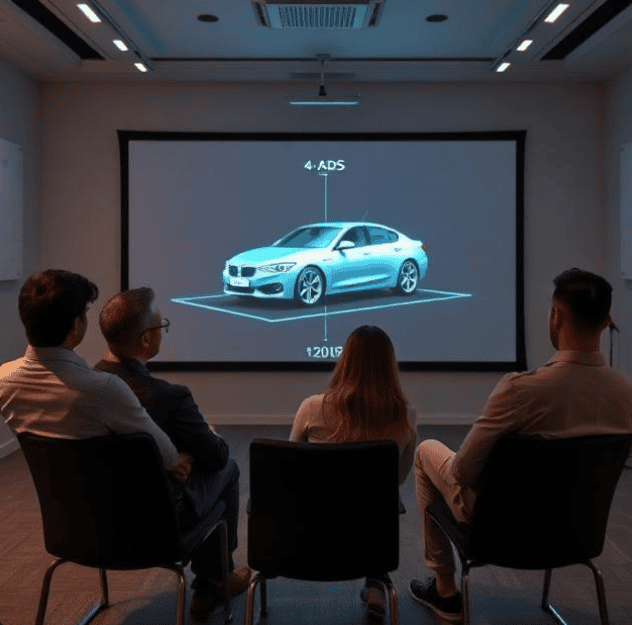
Schedule Ongoing Training Sessions
ADAS technology evolves rapidly.
New vehicle models, updated OEM standards, and changing insurance requirements mean training cannot be treated as a one-time event.
Shops should schedule regular education through:
- Monthly workflow reviews
• OEM update discussions
• Vendor-led training sessions
• Industry webinars
• Certification programs
Continuous education helps teams stay current and confident.
Conduct Internal Report Audits
One of the best ways to improve reporting quality is reviewing completed repair files regularly.
Internal audits help identify:
- Missing documentation
• Repeated reporting mistakes
• Workflow breakdowns
• Additional training needs
Managers should periodically review reports for:
- OEM procedure references
• Scan documentation
• Calibration verification
• Technician credentials
• Report organization
Regular audits help strengthen accountability and improve consistency across the team.
Encourage a Culture of Accountability
Strong ADAS reporting processes require a shop-wide commitment to accuracy and safety.
That means creating a culture where employees understand:
- Documentation quality matters
• Safety comes first
• Incomplete reports create risk
• Consistency protects the business
When accountability becomes part of the shop culture, reporting standards naturally improve over time.
Why Better Training Improves Shop Performance?
Well-trained teams create benefits that extend far beyond compliance.
Consistent ADAS reporting helps shops:
- Reduce claim delays
• Improve insurer relationships
• Minimize rework
• Improve cycle times
• Strengthen customer confidence
• Reduce liability exposure
According to the 1 Source ADAS brand strategy, the company focuses on workflow-driven solutions that help repair shops improve accuracy, efficiency, and operational consistency.
That type of process improvement becomes increasingly valuable as vehicle technology continues evolving.
The Future of Collision Repair Depends on Consistency
The collision repair industry is becoming more documentation-driven every year.
Shops that fail to train employees on proper ADAS calibration reporting procedures may continue struggling with:
- Delayed approvals
• Audit issues
• Workflow inefficiencies
• Customer trust concerns
Meanwhile, facilities with strong training systems and standardized reporting workflows will be better positioned to scale efficiently and maintain long-term credibility.
Final Thoughts
Training your team on ADAS calibration reporting procedures is no longer optional in modern collision repair operations.
Proper education helps ensure repairs are documented accurately, workflows remain consistent, and compliance expectations are met across the entire organization.
The shops that invest in standardized training, ongoing education, and reliable reporting systems today will be far better prepared for the increasing complexity of ADAS repairs tomorrow.
Solutions like 1 Source ADAS are helping collision repair facilities simplify calibration reporting with AI-powered tools designed to improve documentation accuracy, workflow efficiency, and compliance consistency across every repair.