In today’s collision repair industry, speed matters. Customers want their vehicles back quickly. Insurance companies expect efficient claim processing. Shops need steady vehicle throughput to maintain profitability and avoid production bottlenecks. But as Advanced Driver Assistance Systems become standard across modern vehicles, repair timelines are becoming more complex. ADAS calibrations now play a major role in repair planning, documentation, and final vehicle delivery. And one of the most common frustrations collision shops face is uncertainty around calibration report turnaround times.
How long should calibration reporting actually take?
Why do some reports come back quickly while others create delays?
And how can repair facilities plan workflows more effectively to reduce vehicle downtime?
The good news is that once shops understand the factors affecting calibration report timelines, they can build more realistic expectations, improve scheduling, and create smoother repair operations overall.
Why Calibration Reporting Impacts Repair Cycle Time?
ADAS systems control critical vehicle safety functions such as:
- Automatic emergency braking
• Lane keeping assist
• Blind spot monitoring
• Adaptive cruise control
• Collision mitigation systems
After repairs involving:
- Collision damage
• Windshield replacement
• Suspension repairs
• Wheel alignments
• Bumper replacement
these systems often require recalibration according to OEM standards.
But calibration itself is only part of the process.
Repair facilities also need documentation proving:
- OEM procedures were followed
• Calibrations were completed successfully
• Diagnostic scans passed verification
• Vehicle systems were restored correctly
That documentation process directly affects overall repair cycle time.
If calibration reports are delayed, incomplete, or inconsistent, vehicle delivery often gets delayed as well.
What Is a Typical ADAS Calibration Report Turnaround Time?
Turnaround time varies depending on the repair complexity, vehicle manufacturer, calibration method, and reporting workflow being used.
In many cases:
- Basic report processing may occur the same day
• More complex repairs may require additional review
• OEM-specific procedures may extend timelines
• Supplemental insurer requests may add delays
The reality is there is no universal timeline for every repair.
However, shops with organized workflows and reliable reporting systems generally experience much faster and more predictable turnaround times than shops relying on fragmented manual processes.
Factors That Affect Calibration Reporting Speed
Several operational factors influence how quickly calibration reports can be completed and delivered.
OEM Procedure Complexity
Not all vehicles require the same level of calibration documentation.
Some manufacturers have more extensive requirements involving:
- Multiple calibrations
• Detailed environmental verification
• Additional scan documentation
• Specific equipment validation
Luxury and highly advanced vehicle platforms often require more documentation time than standard repairs.
Static vs. Dynamic Calibration Requirements
Static Calibration
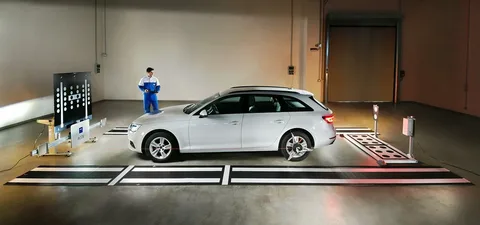
Performed inside the shop using targets and controlled environments.
Dynamic Calibration
Performed during road testing under specific driving conditions.
Repairs requiring both static and dynamic calibration procedures may naturally take longer to document and verify.
Diagnostic Scan Processing
Pre-scans and post-scans are critical parts of modern ADAS reporting.
Delays may occur if:
- Fault codes remain unresolved
• Scan reports are incomplete
• Additional diagnostics are required
• Vehicle communication issues exist
Strong diagnostic workflows help reduce these interruptions.
Insurance Documentation Requests
Insurance companies increasingly review ADAS documentation carefully before approving claims or supplements.
Additional requests for:
- OEM procedures
• Calibration verification
• Scan clarification
• Supporting documentation
can slow the approval process if reports are not organized properly from the beginning.
Manual vs. Digital Reporting Workflows
Manual documentation systems often create unnecessary delays through:
- Duplicate data entry
• Missing paperwork
• File organization issues
• Slow communication between departments
Digital reporting systems help streamline documentation and reduce administrative bottlenecks significantly.
At 1 Source ADAS, the platform is designed to generate detailed, actionable calibration reports directly from repair estimates while helping repair facilities improve reporting consistency and workflow efficiency.
That type of automation becomes increasingly valuable as repair complexity continues growing.
Why Unrealistic Expectations Create Workflow Problems?
One of the biggest causes of repair frustration is assuming calibration reports will always be immediate regardless of repair complexity.
When shops fail to build realistic timelines into scheduling, they often experience:
- Technician downtime
• Delivery delays
• Customer frustration
• Increased administrative pressure
• Scheduling bottlenecks
Setting realistic expectations internally helps teams plan more effectively and communicate more clearly with customers and insurers.
How Shops Can Reduce Calibration Report Delays?
The good news is that many turnaround issues are preventable with stronger workflow planning.
Identify Calibration Needs Early
One of the best ways to reduce delays is identifying calibration requirements during the estimate and repair planning phase.
Early identification helps shops:
- Schedule calibrations proactively
• Gather OEM procedures sooner
• Reduce workflow interruptions
Waiting until the end of the repair process often creates avoidable delays.
Standardize Documentation Processes
Consistent reporting workflows help eliminate missing information and administrative confusion.
Strong processes typically include:
- Pre-scan verification
• OEM procedure review
• Calibration scheduling checkpoints
• Internal report audits
Standardization improves both speed and accuracy.
Use Integrated Digital Reporting Systems
Disconnected systems slow everything down.
Integrated reporting platforms help shops:
- Centralize documentation
• Improve report accessibility
• Reduce manual tasks
• Improve communication between departments
According to the 1 Source ADAS brand strategy, the company focuses on workflow-driven reporting solutions that help repair facilities reduce costly delays while improving operational efficiency and documentation consistency.
That level of integration helps keep repairs moving more smoothly.
Improve Communication Between Departments
Calibration delays often happen because information gets trapped between:
- Estimators
• Technicians
• Calibration providers
• Insurance representatives
Clear communication protocols help prevent unnecessary downtime and confusion.
Build Buffer Time Into Scheduling
Not every repair will follow a perfect timeline.
Shops that build realistic flexibility into scheduling are better positioned to handle:
- Additional diagnostics
• OEM clarification needs
• Supplemental approvals
• Calibration rechecks
Planning for variability helps reduce stress across the repair process.
Why Faster Is Not Always Better?
Many shops focus heavily on speed, but rushing calibration documentation can create larger problems later.
Incomplete or inaccurate reports may lead to:
- Claim delays
• Supplemental requests
• Failed audits
• Increased liability exposure
The goal is not simply faster reporting.
The goal is reliable, accurate, and efficient reporting that supports safe repairs and smoother approvals.
The Shops with Better Workflow Planning Will Have the Advantage
As ADAS systems continue evolving, repair complexity will continue increasing.
Shops relying on inconsistent workflows may struggle with:
- Longer cycle times
• Administrative bottlenecks
• Increased insurer friction
• Customer dissatisfaction
Meanwhile, repair facilities with organized calibration reporting systems and realistic scheduling expectations will be better positioned to improve efficiency and maintain stronger insurer relationships.
Final Thoughts
ADAS calibration reporting has become one of the most important factors affecting repair cycle time in today’s collision repair industry.
Understanding the factors that influence turnaround speed helps shops create more realistic expectations, improve workflow planning, and reduce unnecessary vehicle downtime.
The shops that invest in stronger reporting systems, proactive scheduling, and integrated workflows today will be better prepared to navigate the growing complexity of modern vehicle repairs tomorrow.
Solutions like 1 Source ADAS are helping collision repair facilities simplify calibration reporting with AI-powered tools designed to improve documentation accuracy, workflow efficiency, and repair turnaround consistency across every repair.