Modern vehicles are smarter than ever. Features like lane departure warnings, adaptive cruise control, blind spot monitoring, and automatic emergency braking are no longer luxury add-ons. They are becoming standard safety systems designed to protect drivers, passengers, and everyone else on the road. But after a collision repair, windshield replacement, suspension adjustment, or even a wheel alignment, these systems can no longer be assumed to work correctly without proper calibration. That is where ADAS calibration becomes critical.
For collision repair shops, understanding ADAS calibration and providing accurate documentation is no longer optional. It is an essential part of delivering safe, compliant repairs and protecting both customers and your business.
What Is ADAS Calibration?
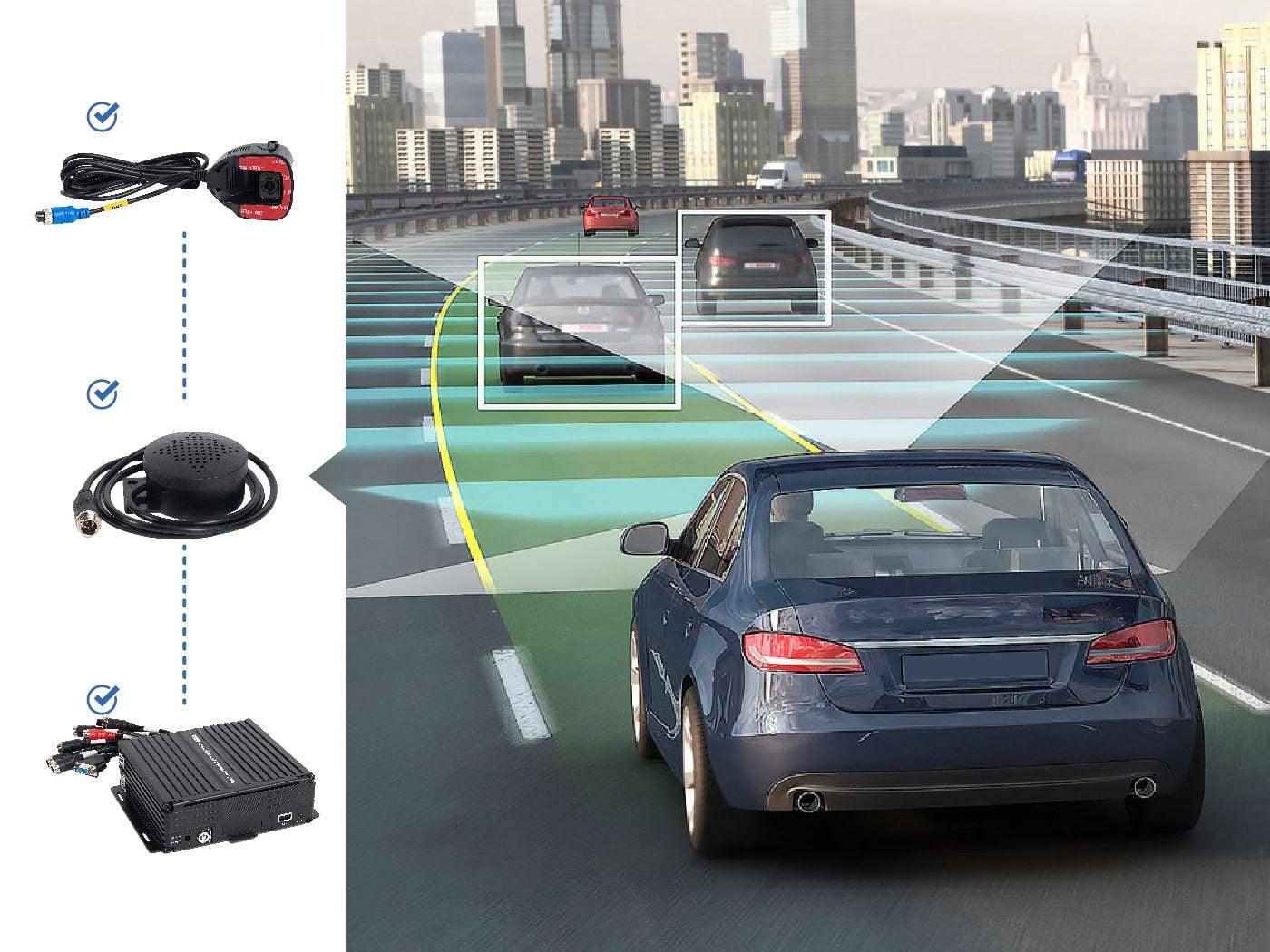
Advanced Driver Assistance Systems, commonly known as ADAS, rely on cameras, sensors, radar, and vehicle software to monitor driving conditions and assist the driver in real time.
These systems include features such as:
- Forward collision warning
• Automatic emergency braking
• Lane keeping assist
• Blind spot monitoring
• Adaptive cruise control
• Parking assist systems
• Traffic sign recognition
• Rear cross traffic alerts
When a vehicle is involved in an accident or undergoes repairs that affect these components, the sensors and cameras may shift out of alignment. Even a small variation can impact how the system interprets the environment around the vehicle.
ADAS calibration is the process of restoring these systems to manufacturer specifications so they function correctly and safely.
Without proper calibration, a vehicle may not respond accurately in critical driving situations.
Why ADAS Calibration Matters for Vehicle Safety?
Many drivers never realize how much they rely on ADAS technology until it fails.
A forward-facing camera that is off by just a fraction can misjudge lane markings or fail to recognize hazards correctly. A radar sensor that is improperly aligned may affect emergency braking response times or adaptive cruise functionality.
The consequences can be serious.
Improper calibration may lead to:
- Delayed braking responses
• False collision alerts
• Inaccurate lane departure warnings
• Reduced driver assistance performance
• Increased liability risks for repair facilities
The good news is that these issues are preventable when repair shops follow OEM calibration procedures and document the process properly.
At 1 Source ADAS, the focus is on helping collision repair professionals streamline calibration reporting while improving repair accuracy and compliance. Their AI-powered reporting system is designed to pull calibration procedures directly from repair estimates, helping shops save time and reduce costly errors.
Static vs. Dynamic Calibration
There are typically two types of ADAS calibration procedures:
Static Calibration
Static calibration is performed inside the shop using specialized targets, tools, and controlled environments. The vehicle remains stationary while technicians align sensors and cameras according to manufacturer guidelines.
This process often requires:
- Precise measurements
• Level flooring
• Controlled lighting conditions
• OEM-specific targets and equipment
Dynamic Calibration
Dynamic calibration occurs while the vehicle is driven under specific road conditions. During the drive cycle, the vehicle systems recalibrate themselves using real-world driving data. Some vehicles require only static calibration, some require dynamic calibration, and many require both. That is why accessing accurate OEM procedures is so important.
Why Accurate ADAS Reports Are Essential?
As ADAS technology becomes more advanced, repair documentation has become just as important as the repair itself. Accurate calibration reports help collision repair shops:
Protect Customer Safety
Clear documentation verifies that required calibrations were completed according to OEM standards. This creates confidence that the vehicle’s safety systems are functioning correctly before returning it to the customer.
Reduce Liability Risks
If an ADAS-related failure occurs after a repair, incomplete or inaccurate records can create major legal and insurance complications.
Detailed calibration reports provide proof that proper procedures were followed and repairs were performed responsibly.
Support Insurance Compliance
Insurance carriers increasingly expect detailed calibration documentation as part of the repair process. Missing or inconsistent reports can delay claims, increase disputes, or create reimbursement issues.
Improve Workflow Efficiency
Many shops lose valuable time manually researching OEM procedures across multiple platforms.
1 Source ADAS helps streamline this process by automatically generating actionable calibration reports directly from repair estimates, reducing research time and improving consistency.
Build Customer Trust
Customers may not fully understand ADAS technology, but they do understand safety.
Providing professional calibration documentation demonstrates transparency, professionalism, and attention to detail. It shows your shop takes safety seriously.
The Growing Complexity of Modern Repairs
ADAS systems are evolving rapidly. New vehicle models continue adding more cameras, sensors, and interconnected technologies.
As a result, collision repair shops face increasing pressure to:
- Stay current with OEM requirements
• Maintain proper documentation
• Avoid missed calibration steps
• Improve repair accuracy
• Keep workflows efficient
Trying to manage this manually can quickly become overwhelming.
That is why more repair facilities are turning to automated reporting platforms designed specifically for ADAS calibration workflows.
According to the 1 Source ADAS brand mission, their goal is to provide “the most accurate reporting in the industry” while helping repair shops perform safe, compliant repairs with greater efficiency.
How Better Reporting Improves Shop Performance?
Accurate ADAS reporting is not just about compliance. It directly impacts operational performance.
When shops have access to clear, organized calibration reports, they can:
- Reduce technician guesswork
• Improve repair consistency
• Minimize missed procedures
• Speed up repair planning
• Strengthen insurer relationships
• Increase customer confidence
In today’s collision repair industry, documentation has become part of the repair itself.
The shops that embrace accurate calibration reporting now will be better positioned to handle the increasing complexity of modern vehicles in the future.
Final Thoughts
ADAS calibration is no longer a niche service. It is a critical part of safe vehicle repair.
As vehicles become more technology-driven, collision repair shops need reliable systems that help them stay compliant, efficient, and accurate. Proper calibration protects drivers, reduces shop liability, and ensures repairs meet manufacturer standards.
The good news is that shops do not have to navigate this complexity alone.
Solutions like 1 Source ADAS are helping repair facilities simplify calibration reporting with AI-powered tools designed specifically for modern collision repair workflows. Their platform focuses on delivering precise, actionable reports that support safer repairs and stronger shop performance.