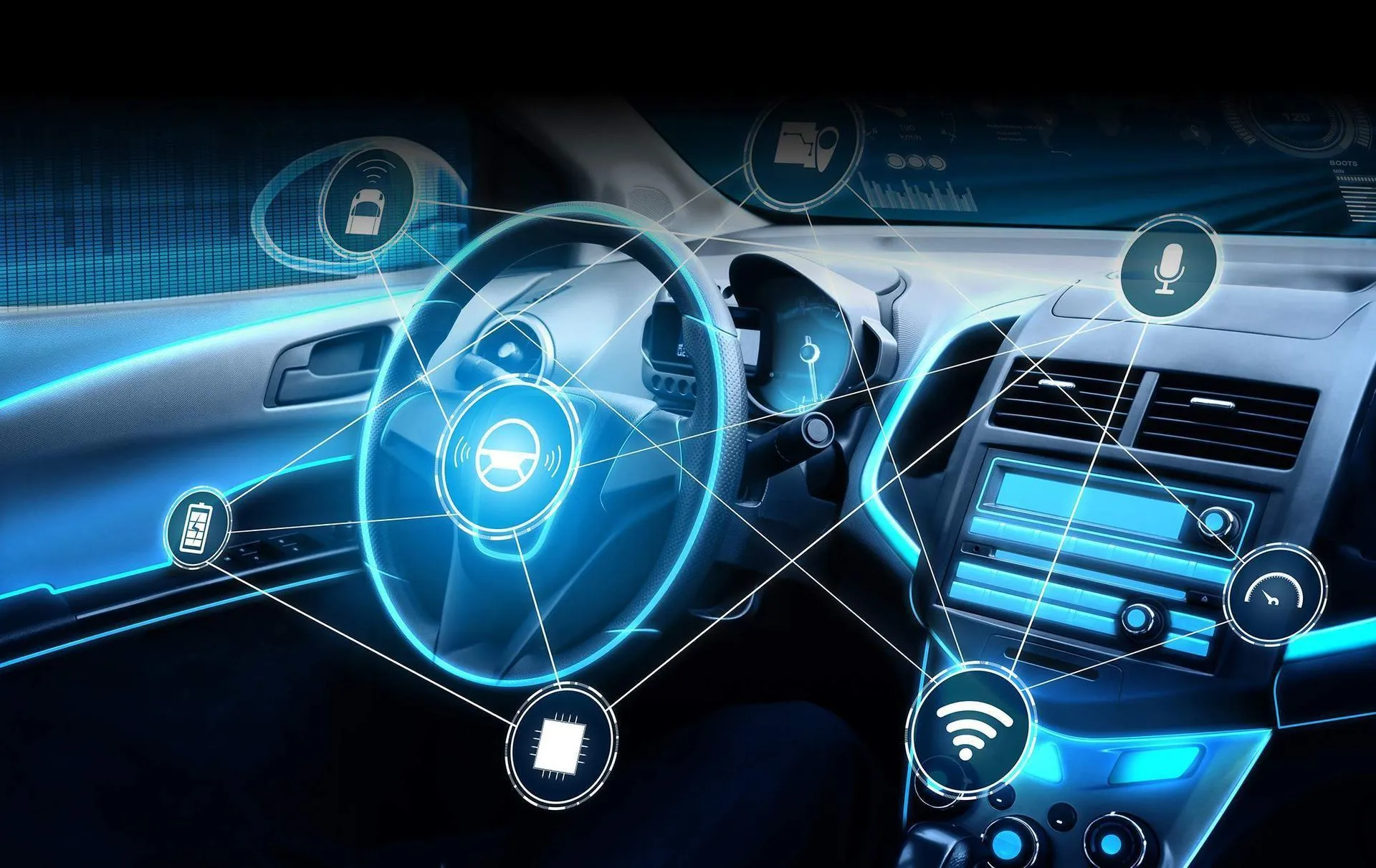
Modern vehicles are no longer just mechanical machines. They are highly connected systems powered by cameras, radar sensors, ultrasonic technology, onboard software, and real-time vehicle communication networks.
And as Advanced Driver Assistance Systems, or ADAS, continue becoming standard across the automotive industry, collision repair shops are being held to higher standards than ever before.
Today, successful ADAS repairs require more than replacing damaged parts and performing calibrations. They also require advanced diagnostics, detailed verification, and highly accurate documentation that proves vehicle safety systems were restored correctly.
That is where advanced diagnostic tools and calibration reporting play a critical role.
Because in today’s repair environment, the quality of the diagnostic process directly impacts the quality and credibility of the final calibration report.
Why Advanced Diagnostics Matter in ADAS Repairs?
ADAS systems directly influence safety-critical vehicle functions such as:
- Automatic emergency braking
• Adaptive cruise control
• Blind spot monitoring
• Lane departure warning
• Collision avoidance systems
After repairs involving:
- Collision damage
• Windshield replacement
• Suspension work
• Wheel alignments
• Bumper repairs
these systems often require recalibration according to OEM standards.
But calibration cannot happen properly without accurate diagnostic data first.
Advanced diagnostics help technicians determine:
- Which systems were affected
• Whether calibration is required
• Which OEM procedures apply
• Whether faults exist before repair
• Whether systems passed verification afterward
Without reliable diagnostics, repair facilities risk incomplete repairs, missed calibrations, and documentation gaps that create liability concerns later.
What Advanced Diagnostics Actually Include?
Advanced diagnostics go far beyond basic code scanning.
Modern ADAS diagnostic systems collect detailed information about vehicle performance, system communication, calibration status, and sensor functionality.
This often includes:
- Diagnostic Trouble Codes (DTCs)
• Sensor communication data
• Radar alignment measurements
• Camera positioning information
• Vehicle system health checks
• Calibration status verification
• Environmental setup validation
These diagnostic records become part of the final calibration report and help establish a traceable repair history.
The Role of Diagnostic Tools in Calibration Reporting
Modern calibration reporting depends heavily on specialized diagnostic equipment capable of communicating directly with vehicle systems.
These tools help technicians:
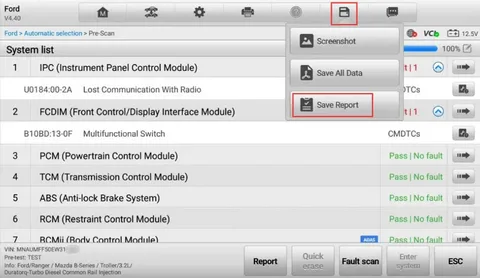
- Perform pre-scans and post-scans
• Identify required calibrations
• Monitor system readiness
• Verify calibration completion
• Detect hidden system faults
Without proper diagnostic tools, shops may overlook important calibration requirements or fail to detect unresolved ADAS issues.
That creates risk not only for the repair itself but also for insurance compliance and customer safety.
Why Data Logs Are Becoming Increasingly Important?
Data logs are one of the most valuable parts of advanced ADAS reporting.
A data log records detailed information captured during diagnostics and calibration procedures, including:
- Vehicle communication activity
• Sensor performance data
• Calibration measurements
• Fault code history
• System verification timestamps
These records provide evidence that the calibration process was completed according to OEM standards.
In many cases, data logs help support:
- Insurance approvals
• OEM compliance reviews
• Audit readiness
• Liability protection
As ADAS systems become more advanced, insurers and regulators increasingly expect repair facilities to provide stronger diagnostic documentation.
Pre-Scans and Post-Scans: The Foundation of High-Confidence Reports
One of the most important uses of advanced diagnostics is generating pre-scan and post-scan reports.
Pre-Scan Reports
Pre-scans establish the condition of the vehicle before repairs begin.
They help identify:
- Existing fault codes
• Sensor communication issues
• System malfunctions
• Required calibration procedures
Post-Scan Reports
Post-scans verify that repairs and calibrations were completed successfully.
They confirm:
- Fault codes were cleared
• Systems communicate properly
• Calibrations passed verification
• No unresolved ADAS issues remain
Together, these reports create a complete diagnostic story that supports repair quality and compliance.
How Calibration Equipment Supports Reporting Accuracy?
ADAS calibration requires highly specialized equipment capable of meeting strict OEM standards.
This may include:
- Radar alignment systems
• Calibration targets
• OEM scan tools
• Alignment equipment
• Dynamic calibration systems
The calibration equipment itself often generates important documentation that becomes part of the final report.
For example:
- Sensor alignment measurements
• Calibration completion records
• Environmental setup verification
• Software validation results
Accurate calibration reporting depends on accurate calibration equipment.
Why High-Confidence Reports Matter?
A high-confidence ADAS calibration report is one that clearly demonstrates:
- OEM procedures were followed
• Diagnostic verification was completed
• Calibrations passed successfully
• Safety systems were restored properly
These reports create confidence for:
- Insurance adjusters
• OEM auditors
• Customers
• Repair facility management
Without strong diagnostic support, calibration reports may appear incomplete or unreliable.
That can lead to:
- Claim delays
• Supplemental requests
• Failed audits
• Increased liability exposure
The Link Between Diagnostics and Compliance
As ADAS systems continue evolving, compliance expectations are becoming stricter across the collision repair industry.
Insurers and OEMs increasingly expect calibration reports to include:
- Scan documentation
• Fault code history
• Calibration verification
• Diagnostic timestamps
• Equipment details
Advanced diagnostics help shops maintain the level of documentation required to support modern repair standards.
At 1 Source ADAS, the focus is helping repair facilities simplify calibration reporting through AI-powered systems that generate detailed, actionable reports directly from repair estimates while improving workflow efficiency and documentation consistency.
That type of integrated reporting support becomes increasingly valuable as diagnostic complexity grows.
Why Manual Reporting Creates Risk?
Without advanced digital reporting systems, shops often rely on disconnected workflows involving:
- Printed scan reports
• Separate PDF files
• Manual documentation entry
• Inconsistent file storage
This creates opportunities for:
- Missing documentation
• Incomplete reports
• Human error
• Lost diagnostic data
Digital reporting platforms help centralize diagnostic records and improve report consistency across the repair process.
How Advanced Diagnostics Improve Customer Trust?
Most customers may not fully understand ADAS technology, but they do understand safety and professionalism.
Detailed calibration reports supported by diagnostic data help reassure customers that:
- Repairs were completed properly
• Vehicle safety systems were verified
• OEM standards were followed
That level of transparency helps build confidence and strengthens long-term customer trust.
The Future of Collision Repair Is Data-Driven
Modern collision repair is becoming increasingly dependent on diagnostics, software verification, and digital documentation.
As ADAS technology continues advancing, repair facilities that rely on outdated or incomplete reporting methods may struggle with:
- Compliance challenges
• Insurance disputes
• Workflow inefficiencies
• Increased liability exposure
Meanwhile, shops that invest in advanced diagnostics and high-confidence reporting systems will be better positioned to deliver safer, more efficient, and more defensible repairs.
Final Thoughts
Advanced diagnostics are now a foundational part of accurate ADAS calibration reporting.
Diagnostic tools, data logs, scan reports, and calibration equipment all work together to create the detailed documentation needed to support safe repairs, insurer approvals, and long-term compliance.
The more advanced and organized the diagnostic process becomes, the more confidence repair facilities can provide to customers, insurers, and OEMs alike.
Solutions like 1 Source ADAS are helping collision repair facilities simplify this process with AI-powered reporting tools designed to improve documentation accuracy, workflow efficiency, and calibration confidence in today’s increasingly complex repair environment.